Castelnau SW13 removals tips for period home moves
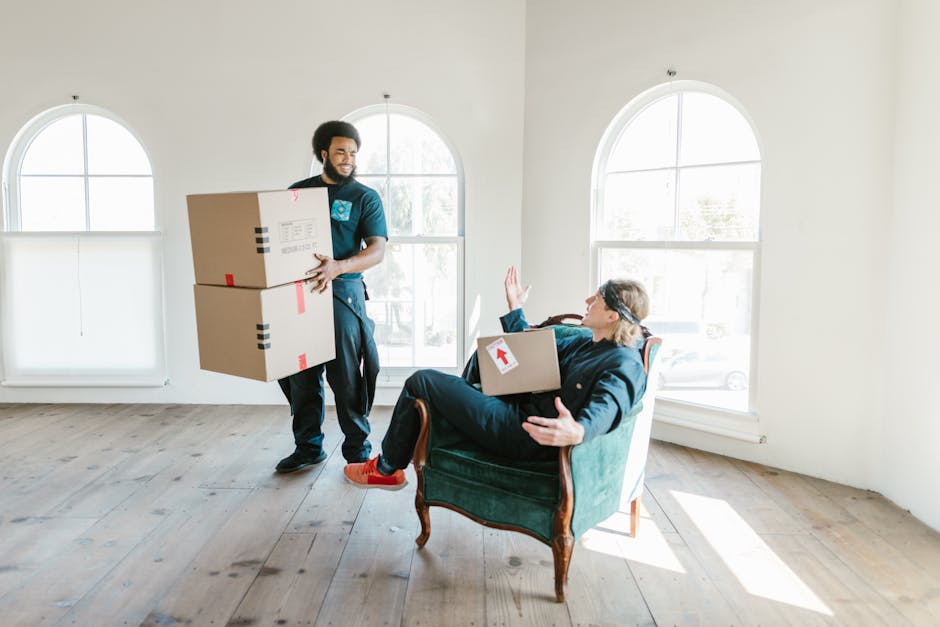
Moving from a period property in Castelnau SW13 can feel wonderfully exciting and quietly stressful at the same time. The mouldings, sash windows, narrow staircases, original floors, awkward corners, and slightly-too-familiar front steps all add character - and a bit of moving-day complexity. If you are planning a house move here, the best Castelnau SW13 removals tips for period home moves are the ones that protect the building as much as they protect your belongings.
This guide walks through the practical side of moving in and out of older homes: how access affects the job, how to pack without causing damage, what removal teams usually need to know in advance, and where people often trip up. You will also find a checklist, a comparison table, and a realistic example so you can plan with a bit more confidence. Because let's face it, moving a Victorian or Edwardian home is not quite the same as shifting a modern flat with wide hallways and lift access.
Why Castelnau SW13 removals tips for period home moves Matters
Period homes in Castelnau tend to reward careful planning. They often have beautiful features, but those features can be fragile, heavy, or just awkward in a way newer homes are not. A tall wardrobe might fit the room perfectly yet still refuse to turn on the landing. A sofa may clear the doorway by a whisker, then catch on a banister. And one scuffed plaster wall can turn a decent day into a frustrating one.
That is why a removals plan for a period home should focus on more than simply getting boxes from A to B. You are dealing with a lived-in building, often with older materials and tighter access, and that calls for extra care. In many cases, the move is smoother not because the job is easier, but because the planning is better.
It also matters because older homes often come with more moving parts: parking considerations, delicate woodwork, uneven floors, limited turning space, and belongings that may have accumulated in rooms, lofts, and cupboards over many years. A proper plan helps you avoid rushing, and rushing is usually where the damage starts.
Practical takeaway: in a period property, the move is as much about protecting the house as it is about transporting the contents.
How Castelnau SW13 removals tips for period home moves Works
The process works best when you break it into stages. Start with access, then packing, then loading, then protection, then the actual move. That sounds basic, but in period homes the sequence really matters. If you pack first and think about access later, you may discover too late that the piano has to come out a different way. Not ideal.
First, assess the property properly. Measure doorways, stair width, landing corners, and anything unusually narrow or low. Then think about where the van or truck can realistically park, and whether the route from house to vehicle is short, level, and safe. In older streets, those details matter more than people expect. A few extra metres of carrying distance can change the whole rhythm of the day.
Next comes packing. Fragile items should be boxed with enough cushioning, but not packed so tightly that pressure damages them. Heavy items should be split across smaller boxes where possible. Books, record collections, and kitchenware can become surprisingly punishing if you overfill one box and ask it to behave like a feather. It won't. It just won't.
Finally, a good removal team will protect both property and furniture with blankets, covers, floor runners, and careful lifting techniques. If you are booking home moves support, it is worth asking how they handle older interiors, especially if your home has ornate woodwork, stone thresholds, or a staircase with a tight turn.
Key Benefits and Practical Advantages
Done properly, a period-home move is not only safer but calmer. That matters more than people admit. There is a real difference between a move where everyone is tense and improvising, and one where the route, packing, and timing have been thought through in advance.
- Less chance of damage: careful measuring and protective wrapping reduce the risk of scuffs, chips, and cracked items.
- Smoother access: planning around stairs, parking, and narrow hallways keeps the day moving.
- Better use of labour: fewer surprises means less time spent re-routing large items.
- Lower stress: predictable steps help everyone stay calmer, including whoever is making tea every 20 minutes.
- Safer lifting: reducing awkward carries helps protect the movers and anyone helping out on the day.
Another benefit is that a careful approach often protects the value and character of the property itself. Original flooring, stair rails, and painted woodwork can be expensive to repair and, in some cases, difficult to match. A small scratch may not seem like much in the moment, but on a period surface it stands out. A lot.
If you have special items such as artwork, antiques, or a heavy instrument, a tailored approach is often worth considering. Services such as furniture removals and piano removals can be especially useful when standard lifting is not quite enough.
Who This Is For and When It Makes Sense
This advice is most useful for anyone moving from or into a period home in Castelnau SW13, especially if the property has original features or complicated access. If you are moving out of a terraced house with narrow stairs, or into a first-floor flat conversion with a sharp landing turn, you will recognise the problem straight away.
It is also relevant if you are handling the move yourself and only bringing in help for the heavy lifting. Many people do this with a man and van or man with a van arrangement, particularly for smaller homes, partial moves, or carefully coordinated moves where timing matters more than volume.
You may need this guidance if:
- your home has narrow or steep stairs
- you own larger antique-style furniture
- parking outside is limited or awkward
- your belongings include fragile, sentimental, or high-value items
- you want to protect decorative finishes, skirting, or original floors
- you are moving with children, pets, or elderly relatives in the house on the day
To be fair, even a "simple" move becomes more complex once the house has character. That's usually the point where people realise the move needs a bit more than boxes and goodwill.
Step-by-Step Guidance
Here is a practical way to approach a period-home move without losing your head halfway through. You do not need to do everything at once. You just need a sequence that makes sense.
- Survey the property properly. Measure doors, hallways, stairs, and any tight turns. Note low ceilings, radiators, ledges, and fragile finishes.
- Decide what needs specialist handling. Large mirrors, antiques, chandeliers, pianos, and awkward furniture may need more than standard carrying.
- Plan parking and access. Think about how close the vehicle can get and how easy it is to carry items safely from the front door.
- Sort and reduce. Period homes often contain more than you remember. Don't move clutter just because it has been in the loft for years.
- Pack by room and by weight. Keep heavy items in smaller boxes. Label clearly so unpacking does not become a treasure hunt.
- Protect the property. Use coverings for floors, door frames, corners, and bannisters where needed.
- Keep essentials separate. Set aside documents, chargers, medication, kettle bits, and a change of clothes. You will thank yourself later.
- Confirm the move plan with your removals team. Share access notes, parking details, and any time restrictions before the day arrives.
If you need packing support, the team behind packing and boxes and packing and unpacking services can help reduce the volume of work you have to do yourself. That can be a real relief when the rest of life is already busy, which it usually is.
One small but useful habit: keep a handwritten note or simple document listing what is in each room. It sounds old-school, and maybe a bit dull, but on moving day it saves time. Especially when there are ten similar boxes that all say "misc."
Expert Tips for Better Results
Period properties tend to reward the people who think one step ahead. Here are the tips that make the biggest difference in real life, not just on paper.
- Measure the awkward item first, not last. The biggest mistake is assuming a sofa or wardrobe will "probably" fit. Probably is not a plan.
- Protect floors before anything moves. Floors in older homes can mark easily, especially with grit underfoot on damp days.
- Take doors off only if needed and only if you can rehang them properly. Sometimes it helps, sometimes it creates a new problem.
- Keep hardware in labelled bags. Screws, shelf pins, and brackets vanish in a blink if you just set them down somewhere "safe".
- Use smaller loads on tight staircases. A lighter carry may take an extra trip, but it can prevent damage and bad lifting positions.
- Check the route in person. Photos help, but they miss the feel of a narrow turn or the slope outside the property.
There is also a people tip. Tell everyone involved what the plan is. Not a vague version. The actual plan. Which room gets cleared first, where the boxes are stacked, who is handling valuables, and when the keys are expected. It reduces the odd, quiet chaos that tends to creep in around lunchtime.
If your move is part of a bigger relocation, you may also want to look at house removals or house removalists for a more structured service model. Different jobs need different levels of support, and that is perfectly normal.
Common Mistakes to Avoid
Most moving mistakes in period homes are predictable. The good news is that means they are easy to avoid once you know what to look for.
- Underestimating access issues. A staircase can look fine until you try turning a mattress or a wardrobe halfway up it.
- Overpacking boxes. Heavy boxes are harder to move and more likely to split.
- Skipping protection for walls and floors. One careless turn can leave a mark that is obvious in daylight.
- Leaving everything until the last evening. That turns a careful move into a scramble. Nobody enjoys that at 11:30 p.m.
- Not checking whether specialist help is needed. A piano, antique cabinet, or large mirror can become a two-person problem very quickly.
- Ignoring parking and loading restrictions. This can add delays, stress, and extra carrying distance.
Another subtle mistake is assuming the smallest items are the easiest. In practice, small loose items can create the most chaos because they disappear into drawers, bags, or random corners of the house. Then suddenly the remote control is missing, and somehow it is everyone's problem.
Tools, Resources and Recommendations
You do not need a van full of gadgets to move well, but a few practical tools make a very real difference.
- Strong cardboard boxes in a range of sizes
- Packing tape and a reliable tape dispenser
- Marker pens for room labels and content notes
- Blankets or furniture covers for short-term protection
- Protective floor covering for hallways, thresholds, and stairs
- Stretch wrap for drawer units or items with moving parts
- Screw bags and labels for dismantled furniture
For larger or more awkward moves, it can help to speak with a team offering removal services that fit the size and complexity of the job. Some households only need transport. Others need wrapping, dismantling, careful handling, and a bit of strategic thinking.
If your move includes storing items between properties, storage may be worth considering. That can be especially useful when sale and purchase dates do not line up neatly, which happens more often than anyone likes.
And if you need a clearer sense of budget or service scope, it is sensible to review pricing and quotes before you book. Understanding what is included avoids awkward surprises later, and nobody needs those.
Law, Compliance, Standards, or Best Practice
While the details of each move vary, there are some sensible UK best practices that matter in period-home removals. A reputable removals provider should work safely, handle goods with care, and be clear about the service being offered. You should also expect straightforward communication about insurance, payment, and any terms that affect the job.
For household moves, it is wise to check whether the provider explains how they manage damage risk, lifting safety, and equipment use. If a company offers guidance on insurance and safety or publishes a health and safety policy, that is a helpful sign of organisation and care. It does not guarantee a perfect move, of course, but it is the sort of thing careful customers tend to look for.
Best practice also includes clear booking terms, realistic arrival windows, and honest discussion about access limitations. If your street is difficult for larger vehicles, say so early. If the property has no lift, mention that. If the move has unusual items, say that too. In removals, silence creates friction.
You may also want to review the company's terms and conditions and payment and security information so you understand how the booking is handled. That is not glamorous, but it is practical. And practical usually wins.
Options, Methods, or Comparison Table
Different move types suit different levels of support. If you are in a period home, choosing the right method matters almost as much as choosing the right date.
| Option | Best for | Strengths | Watch-outs |
|---|---|---|---|
| DIY move | Very small loads, simple access, low-risk items | Maximum control, sometimes lower cost | Heavy lifting, more time, higher risk of damage |
| Man and van | Smaller homes, single-item transport, partial moves | Flexible, straightforward, efficient for lighter jobs | May not suit very large or highly delicate moves |
| Full removals team | Family homes, period properties, complex access | More hands, better planning, easier for awkward furniture | Needs better scheduling and clearer advance details |
| Storage-based move | Dates do not align, refurbishment, staged relocation | Flexibility, less pressure on the move date | Extra handling and time between move stages |
In many Castelnau period-home moves, a full removals team or a carefully planned removals service is the most sensible option. Not because it is always "better", but because older homes usually have more variables than people expect. A tidy, calm job is generally worth more than a rushed bargain.
If your move is small but fiddly, a man with van arrangement might be enough. If you have larger furniture, tricky access, or antiques, the balance shifts toward a more complete service.
Case Study or Real-World Example
Imagine a couple moving out of a two-storey period house near Castelnau. The house has a narrow hallway, polished floors, and a staircase that turns sharply halfway up. They own a large wardrobe, a dining table, several framed prints, and a very heavy sideboard that has clearly seen better decades.
Instead of trying to wing it on moving day, they measure the awkward pieces in advance and share photos of the staircase with the removals team. They also clear a parking space early, lay protection over the front path, and pack fragile items separately. The team arrives knowing which pieces need dismantling first and which room should be emptied before the others.
The move still takes effort. It is still a busy day. But the day does not unravel. No one gets stuck on a landing, nobody has to reverse a wardrobe three times while pretending this was all part of the plan, and the floors stay in good condition. The couple can actually breathe, which is not a small thing on moving day.
That is the real value of good removals tips for a period home: fewer improvisations, fewer surprises, and fewer stories you have to laugh about only after the fact.
Practical Checklist
Use this checklist in the week before the move. It keeps the whole thing grounded.
- Measure major furniture and key access points
- Confirm vehicle access and parking arrangements
- Identify fragile floors, walls, and woodwork
- Separate valuables, documents, and essentials
- Pack heavy items into smaller boxes
- Label all boxes by room and priority
- Set aside tools for dismantling furniture
- Arrange floor and corner protection where needed
- Tell the removals team about stairs, turns, and access issues
- Check whether storage may be needed between move dates
- Review booking terms, insurance, and payment details
- Keep drinks, snacks, and chargers easy to reach
If you are also moving furniture out rather than taking it with you, a service such as furniture pick up can help clear items that no longer belong in the new home. That can make the new place feel lighter straight away.
Quick reminder: a good checklist saves time, but it also saves mood. Strange as it sounds, that matters too.
Conclusion
Castelnau period-home moves are rarely difficult because of one single problem. They are usually challenging because of lots of small ones: tight access, delicate features, heavy furniture, and the simple fact that older homes do not behave like modern boxes. The best removals tips are the practical ones - measure carefully, pack thoughtfully, protect surfaces, and choose the right level of support for the job.
If you build the move around the property rather than forcing the property to fit the move, everything tends to go better. Less stress. Fewer scrapes. More control. And, ideally, a first evening in the new place that feels like a fresh start rather than a rescue mission.
Get a free quote today and see how much you can save.
When the boxes are finally stacked and the front door shuts behind you, the chaos drops away. That calm moment at the end is worth planning for.
Frequently Asked Questions
What makes period home moves in Castelnau SW13 different from standard removals?
Period homes often have narrower stairs, tighter hallways, older floors, and more fragile features than modern properties. That means access planning and protection matter more than usual.
Should I measure every doorway before moving day?
Yes, especially for large furniture, mattresses, wardrobes, and anything awkwardly shaped. A few careful measurements can prevent a lot of moving-day panic.
Do I need specialist help for antiques or heavy furniture?
If you have valuable, delicate, or unusually heavy pieces, specialist handling is often the safest choice. It is better to ask early than improvise later.
Is a man and van service enough for a period property move?
Sometimes, yes. Smaller moves or partial loads can work well with a man and van or man with a van setup, but larger homes often need a fuller service.
How can I protect original floors during the move?
Use floor coverings, keep shoes and grit under control, and avoid dragging anything. The route from door to vehicle should be treated like part of the moving plan, not an afterthought.
What should I tell the removals team in advance?
Share parking details, access limitations, stair layout, heavy items, and anything fragile or unusual. Clear information upfront usually prevents delays and confusion.
Do I need storage if my dates do not line up?
Storage can be a sensible option if your move-out and move-in dates do not connect cleanly or if you are staging the move over more than one day.
What if my furniture will not fit through the stairwell?
That is where dismantling, alternative routes, or different handling methods may help. It is worth checking this before moving day rather than discovering it mid-lift.
Are packing services worth it for a period home move?
They can be, especially if you have fragile items, a lot of rooms, or not much time. Services like packing and unpacking services can reduce pressure considerably.
How far ahead should I book removals for a move in Castelnau SW13?
As early as you can, especially if you are moving during a busy period. Early booking gives you more choice and more time to plan the awkward details.
What is the biggest mistake people make in period-home moves?
Probably assuming the house will behave like a standard modern property. It usually doesn't. Older homes reward planning, patience, and a bit of respect for their quirks.
Where can I find more information about the company and its policies?
You can review the company's about us, insurance and safety, and recycling and sustainability pages to learn more about how services are handled and what standards are followed.