Removals at Barnes Bridge station unloading and parking advice
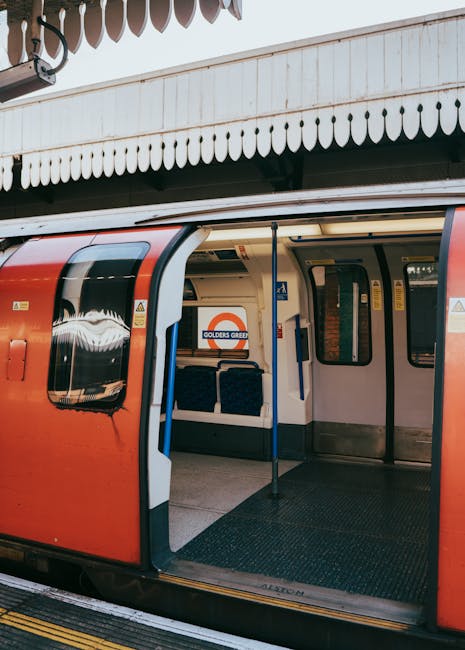
If you are planning a move near Barnes Bridge station, the tricky bit is often not the lifting, it is the logistics. Where do you stop? How long can you unload? What happens if the road is busy, narrow, or blocked by another vehicle just as your van arrives? This guide to Removals at Barnes Bridge station unloading and parking advice is here to make that part feel a lot less chaotic. Whether you are moving from a flat, a family house, or a small office, a calm plan for unloading and parking can save time, reduce stress, and protect your belongings.
Truth be told, a good move near a station is rarely about brute force. It is about timing, access, and being a bit more organised than the traffic around you. Below, you will find practical step-by-step advice, common mistakes to avoid, and a realistic look at how professional movers approach these kinds of jobs in London.
- Why this advice matters
- How the unloading and parking process works
- Key benefits and practical advantages
- Who this is for and when it makes sense
- Step-by-step guidance
- Expert tips for better results
- Common mistakes to avoid
- Tools, resources and recommendations
- Law, compliance, standards and best practice
- Options and comparison table
- Case study or real-world example
- Practical checklist
- Conclusion
- Frequently asked questions
Why Removals at Barnes Bridge station unloading and parking advice Matters
Moving near Barnes Bridge station can be straightforward in theory and slightly awkward in practice. The area has a mix of residential streets, local traffic, rail activity, and the usual London reality of not quite enough space where you want it. That means the difference between a smooth move and a frustrating one often comes down to the parking plan.
When unloading is handled well, your team can work in shorter bursts, avoid double-handling heavy items, and reduce the risk of damage. When it is handled badly, the van may circle the block, the crew may end up carrying furniture farther than expected, and everyone gets a bit frazzled. Not ideal. And for anyone moving on a tight schedule, those extra minutes can snowball fast.
There is also the neighbour factor. A move that blocks a drive, a junction, or a shared access point will annoy people quickly. Good parking advice is not just about convenience; it is about courtesy and keeping the day civil.
If you are comparing moving support, services such as man and van support, flat removals, or a larger moving truck setup all work better when access has been thought through properly. The vehicle size, the route to the property, and how close you can stop all matter.
Expert summary: Near Barnes Bridge station, the best removal plan is usually the one that reduces walking distance, keeps the vehicle legal and safe, and gives you a buffer for delays. Small parking decisions create big time savings.
How Removals at Barnes Bridge station unloading and parking advice Works
In simple terms, the process is about matching the vehicle to the access you actually have, not the access you hope for. You start by checking where the van can reasonably stop, then decide how the load will move from the property to the vehicle. After that, you plan who carries what, in what order, and how you will avoid clogging the street.
A typical local move near the station often follows this rhythm:
- Confirm the moving date and likely arrival time.
- Check the property frontage, nearby corners, and any yellow lines or restricted areas.
- Decide whether a smaller van, larger removal van, or full truck is suitable.
- Arrange parking as close as safely and legally possible.
- Unload quickly in a controlled way, using trolleys or straps if needed.
- Move items directly into the property or into storage if the move is split over more than one day.
That may sound obvious, but in real life people often skip the early checks. They book a van, then discover the street is tighter than expected, or that the best loading spot is already occupied at 8am. A little planning solves most of that. Some moves even benefit from a smaller vehicle like a removal van or a flexible man with van arrangement, especially where streets around stations are busy and stopping space is limited.
If you are moving into a flat above ground level, or out of one, lifting and timing become more important still. That is where packing and unpacking services and good labelling can make the whole day feel less stop-start. You do not want to be opening every box while the driver is trying to clear the road. Nobody enjoys that.
Key Benefits and Practical Advantages
Good unloading and parking advice does more than save a few minutes. It improves the whole moving experience in ways that are easy to underestimate until you have lived through a bad move.
- Less carrying distance: the closer the vehicle can park, the less physical strain and the lower the chance of knocks and drops.
- Faster turnaround: quicker loading and unloading means less time on site and fewer delays for everyone involved.
- Lower damage risk: short, direct carries reduce the chance of scraping walls, door frames, and stair edges.
- Better traffic flow: you are less likely to block the street or create tension with neighbours and passing drivers.
- Less stress: once the vehicle position is sorted, the rest of the move feels much more manageable.
There is also a commercial benefit. If you are moving a business, a carefully planned stop near the station can reduce downtime and help keep staff on schedule. For that reason, services like commercial moves and office removals often depend on strong access planning even more than domestic jobs do.
A surprisingly useful detail: a clean unloading plan also helps when you are moving awkward or heavy items. For instance, if a piano, wardrobe, or sideboard has to turn a corner near the vehicle, every extra metre of walk increases the difficulty. That is why specialist piano removals or furniture removals need careful parking and a clear path.
Who This Is For and When It Makes Sense
This advice is useful for almost anyone moving near Barnes Bridge station, but it is especially relevant if your property has limited frontage, shared access, a narrow street, or limited waiting space. Let's face it, that is a lot of London.
It makes sense for:
- homeowners moving in or out of the immediate Barnes Bridge area
- tenants relocating from flats with stairs, tight hallways, or awkward loading points
- students moving with a few bags, boxes, and furniture bits
- small business owners relocating stock, desks, or office equipment
- anyone using a removals team who needs the vehicle parked as close as possible
If you only have a handful of boxes, a smaller vehicle and a simple plan may be enough. That is where student removals or same-day removals can be a sensible fit. If you are moving a larger household, a structured house removals service is usually easier to manage, especially if parking access is not generous.
If your move involves temporary overflow, staging, or a delayed completion, storage can be a helpful pressure valve. A move that would otherwise be rushed becomes much more manageable when storage is part of the plan.
Step-by-Step Guidance
Here is a practical way to handle unloading and parking near Barnes Bridge station without overcomplicating it.
- Walk the access route first. If you can, visit the property before moving day. Check the street width, nearby corners, and whether a van could stop without causing a mess of the traffic.
- Measure the tricky bits. Doorways, stairwells, narrow paths, and internal turns matter more than people think. A sofa can be a dream in the showroom and a complete nuisance on a tight landing.
- Choose the right vehicle size. Bigger is not always better. A smaller vehicle may park more easily and reduce the time spent shuffling around for space.
- Time the arrival sensibly. Early morning can be useful, but only if you are ready. Arriving before the team has keys, access, or packed boxes just creates a waiting game.
- Reserve the loading process. Decide what goes out first, what goes in last, and where each item is headed once it leaves the van.
- Keep pathways clear. Hallways, communal areas, and front steps should be as free as possible. A small bottleneck becomes a big one when three people are carrying a wardrobe.
- Use one person to manage the vehicle area. If possible, have someone keeping an eye on parking, pedestrians, and timing. It sounds a bit formal, but it helps.
- Leave a contingency. If parking is taken, you need a plan B. Honestly, on a busy London street, that is not optional.
A good removal team will often bring straps, blankets, dollies, and floor protection as part of their normal setup. If you are hiring support for the whole job, ask about removal services that include access planning, not just lifting and driving.
Expert Tips for Better Results
After enough moves, you start to notice the same pattern: the jobs that feel easy are rarely lucky. They are organised. Here are a few small things that make a big difference.
- Keep the front door open only when needed. Heat, rain, and street noise all become part of the day if you leave it wide open too long.
- Label heavy boxes clearly. Put rooms and handling notes on the sides, not just the tops. Once stacked, the top may disappear from sight.
- Separate essentials early. Tea kit, paperwork, chargers, keys, and one change of clothes should not be buried under cushions and lamp shades.
- Confirm parking assumptions the day before. Streets change quickly. Deliveries, bins, and neighbour vehicles can all affect the space you thought you had.
- Protect the route from the van to the door. A bit of cardboard or floor covering can save a lot of cleaning later, especially in wet weather.
- Don't overload the first run. A quick, lighter first load often sets the tone better than trying to be heroic straight away. Heroic is overrated on moving day.
If your move is awkward or time-sensitive, a man with a van option may be enough for a compact load, while larger or more complex jobs may suit a proper removals booking. Matching the service to the street is usually the winning move.
Common Mistakes to Avoid
Most problems near station areas are preventable. The issue is usually not bad luck; it is one or two small assumptions that turn out to be wrong.
- Assuming a van can stop anywhere: not every gap is a legal or practical loading bay.
- Forgetting about street width: a vehicle that fits in theory may still block traffic in practice.
- Leaving access checks too late: the day before is the bare minimum, not the ideal.
- Not warning neighbours or building management: that can lead to complaints or awkward delays.
- Ignoring walking distance: 20 extra metres may not sound like much, until you are carrying a washing machine.
- Using the wrong service size: too large can be awkward; too small can mean multiple trips and more disruption.
One small but common mistake is not coordinating parking with the moving order. If the van is ready but the property is not, or vice versa, you lose momentum. And momentum matters, especially if the weather is doing that classic British drizzle thing by 9:30am.
Another one: leaving packing too late. If boxes are still open and loose when the vehicle arrives, the crew cannot load efficiently. A good packing and boxes setup makes the whole unloading sequence calmer, cleaner, and less prone to random missing items.
Tools, Resources and Recommendations
You do not need specialist kit for every move, but a few practical tools make station-area removals much easier.
| Tool or resource | Why it helps | Best for |
|---|---|---|
| Furniture blankets | Protects items and door frames from scrapes | Households, offices, fragile pieces |
| Two-wheel trolley or sack truck | Reduces strain on heavy boxes and appliances | Flats, longer carries, bulkier loads |
| Ratchet straps | Helps secure loads inside the vehicle | Mixed loads, furniture, awkward items |
| Floor protection | Prevents mud, scratches, and scuffs on entry paths | Wet weather or polished floors |
| Clear labels and room markers | Speeds up unloading into the correct rooms | Any move with multiple boxes |
If you want a smoother result, it is worth looking beyond the vehicle itself. For example, packing support from packing and unpacking services can reduce last-minute chaos, while house removalists may be better suited to heavier family moves where timing and access are both tight.
For businesses, the right setup may also include a larger vehicle, a planned route for desks and filing, and clear responsibility for who unlocks which entrance. In those cases, office relocation services can make the logistics a lot less messy.
Law, Compliance, Standards, or Best Practice
For removals near Barnes Bridge station, you do not usually need to become a parking-law expert, but you do need to respect local restrictions, access rules, and road safety best practice. That includes avoiding unsafe stopping positions, keeping pavements clear where possible, and not assuming a road is fine just because it is briefly empty.
Best practice in the removals industry usually means:
- parking only where it is legal and safe
- keeping loading activity as tidy and brief as possible
- protecting people, property, and nearby vehicles
- using appropriate equipment for the load
- communicating clearly with the customer and building occupants
If you are arranging a move through a company, it is sensible to check practical policies too. A reputable mover should be able to talk clearly about things like health and safety policy, insurance and safety, and handling issues if something unexpected happens. Those are not flashy details, but they matter when the day gets busy.
You may also want to review the company's terms and conditions and pricing and quotes information before booking. That helps you understand what is included, what is not, and how waiting time or access complications might be handled. Clear expectations up front save a lot of head scratching later.
Options, Methods, or Comparison Table
Different moves near Barnes Bridge station suit different vehicle and service types. Here is a straightforward comparison to help you choose.
| Option | Best for | Parking advantage | Potential drawback |
|---|---|---|---|
| Man and van | Small to medium moves, single-room contents, flexible schedules | Easier to slot into tighter spaces | May require more trips for larger loads |
| Removal van | Standard domestic moves with moderate volume | Often a practical balance of size and access | Still needs a realistic stopping point |
| Moving truck | Large households or bigger commercial jobs | Efficient once parked, fewer shuttle runs | Can be harder to position near busy streets |
| Same-day removals | Urgent or last-minute moves | Fast response when timing matters | Less room for error in access planning |
For many people, the smartest choice is not the biggest vehicle, but the one that fits the street. That is especially true if you are moving from a flat, where the route from door to vehicle is already doing enough work on its own. In that case, flat removals can be a better fit than a more generic setup.
Case Study or Real-World Example
Imagine a family moving out of a first-floor flat near Barnes Bridge station on a Friday morning. The street is moderately busy, there are parked cars on both sides, and the closest legal stop is not directly outside the building. Nothing dramatic, just the sort of job that can become awkward if nobody has thought it through.
The solution is simple but disciplined: they confirm the access route the day before, keep the essentials separate, and use a smaller removal vehicle that can park without blocking the turning space. One person stays near the vehicle while the rest of the team moves boxed items and dismantled furniture out in a steady order. Soft furnishings go first, fragile items are protected, and the final run includes the things they need immediately in the new place.
The move is not glamorous. There is a bit of carrying, a bit of back-and-forth, and one slightly awkward chair that needs a twist to clear the stairwell. But it works because the parking plan worked. And that is the point, really. Good access planning is unremarkable when it goes well, which is exactly how you want it.
For a similar move, a customer might combine home moves support with temporary storage if completion dates do not line up neatly. That flexibility often turns a stressful day into a manageable one.
Practical Checklist
Use this quick checklist before moving day. It is simple, but it catches the things people forget when they are tired or rushed.
- Confirm the moving date, arrival window, and contact numbers.
- Check where the vehicle can legally and safely stop.
- Walk the route from the road to the property entrance.
- Measure doorways, stairs, corners, and any lifts if relevant.
- Decide whether you need a van, removal van, or larger truck.
- Label boxes by room and priority.
- Separate fragile, valuable, and essential items.
- Protect floors and door frames where needed.
- Tell neighbours or building management if access could be tight.
- Prepare a backup plan if the best parking spot is already taken.
- Keep refreshments, water, and keys easy to reach.
- Review any booking details, insurance points, and payment terms in advance.
That last point matters more than people expect. A move feels easier when everyone knows what has been agreed and what the next step is. No guesswork, no chasing, no unnecessary drama. Nice and boring, ideally.
Get a free quote today and see how much you can save.
Conclusion
Removals at Barnes Bridge station unloading and parking advice is really about one thing: making the practical part of moving feel predictable. When you know where the vehicle can stop, how the load will move, and what the backup plan is, everything becomes calmer. You waste less time, protect your items better, and avoid the kind of last-minute scramble that makes moving day feel far bigger than it should.
Whether your move is small, large, urgent, or carefully planned, the best results usually come from keeping the access plan simple and realistic. That is especially true near busy transport hubs, where space is at a premium and patience runs thin. A little preparation goes a long way. Honestly, more than a little.
If you are planning a move around Barnes Bridge, take the time to get the parking and unloading side right. The rest of the day has a much better chance of following suit.
Frequently Asked Questions
Can a removal van stop near Barnes Bridge station for loading?
Sometimes yes, but it depends on the exact street, restrictions, traffic flow, and available space on the day. The safest approach is to plan for the closest legal stop rather than assuming the ideal spot will be free.
What is the best vehicle size for removals near Barnes Bridge station?
There is no single best size. A smaller vehicle can be easier to position in tight streets, while a larger truck may be better for bigger loads if there is enough room. The right choice depends on both the property access and the amount you are moving.
Should I arrange parking before moving day?
Yes, absolutely if you can. Even a basic parking plan helps. At the very least, you should know where the vehicle is likely to stop, how far items will need to be carried, and what you will do if that space is taken.
How early should removals arrive for a station-area move?
Early enough to avoid traffic pressure, but only when the property is ready and access is confirmed. There is no benefit in arriving before keys, packing, or building access are sorted. That just creates waiting time.
What should I do if the parking space is occupied?
Have a backup plan. The mover may need to wait briefly, use a different stop point, or adjust the unloading order. In busy areas, flexibility matters almost as much as timing.
Do I need special equipment for unloading near Barnes Bridge station?
Not always, but trolleys, straps, blankets, and floor protection are very useful. They help protect both the property and the furniture, especially when the walk from the vehicle is longer than expected.
Is a man and van service enough for a small move?
Often yes. For smaller loads, a flexible service can be the most practical option, particularly if parking is limited and the move is local. For larger homes or heavier items, a fuller removals service may be better.
How do I reduce the risk of damaging furniture during unloading?
Clear the path, protect floors, use proper lifting technique, and keep items wrapped or blanketed where needed. Good parking also helps because shorter carries usually mean fewer bumps and less strain.
What if I am moving from a flat with stairs?
Then access planning becomes even more important. Measure stair turns, keep communal areas clear, and think carefully about vehicle placement. If the load is heavy or bulky, specialist flat or furniture removals support is usually worth it.
Can same-day removals work near Barnes Bridge station?
Yes, if the load is manageable and access can be organised quickly. The key is to be realistic about parking and vehicle size, because a rushed move with poor access can become more stressful than helpful.
What documents or policies should I check before booking?
It is sensible to look at insurance, safety, terms, and pricing information so you know what is included and how the job is handled. That kind of clarity is reassuring, and it avoids awkward surprises later.
How far in advance should I book my removal service?
The earlier, the better, especially if your move is near a busy station area or needs a specific vehicle type. If you need something very flexible, it is still worth asking about availability as soon as you can.
What is the most common mistake people make with parking on moving day?
Assuming there will be a convenient space outside the property. In reality, street parking can change quickly. Planning for a realistic stopping point is usually the safest and least stressful choice.